A New Fat-Burning Discovery That Could Transform Weight Loss Forever
Professor Yong Xu and Dr. Jonathan Long's team found that ketone-derived molecules made through a newly identified metabolic pathway reduced food intake and body weight in obese mice.


The ketogenic (keto) diet, a low-carbohydrate, high-fat eating plan (LCHF), has gained immense popularity across North America, with an estimated 5% of adults having tried it in the past year alone. This diet, known for inducing a state of ketosis—where the body burns fat instead of carbohydrates for energy—has been linked to benefits ranging from weight loss to improved metabolic health. However, scientists are uncovering new dimensions of how ketosis impacts the body, going beyond diet trends to explore its profound biological effects.
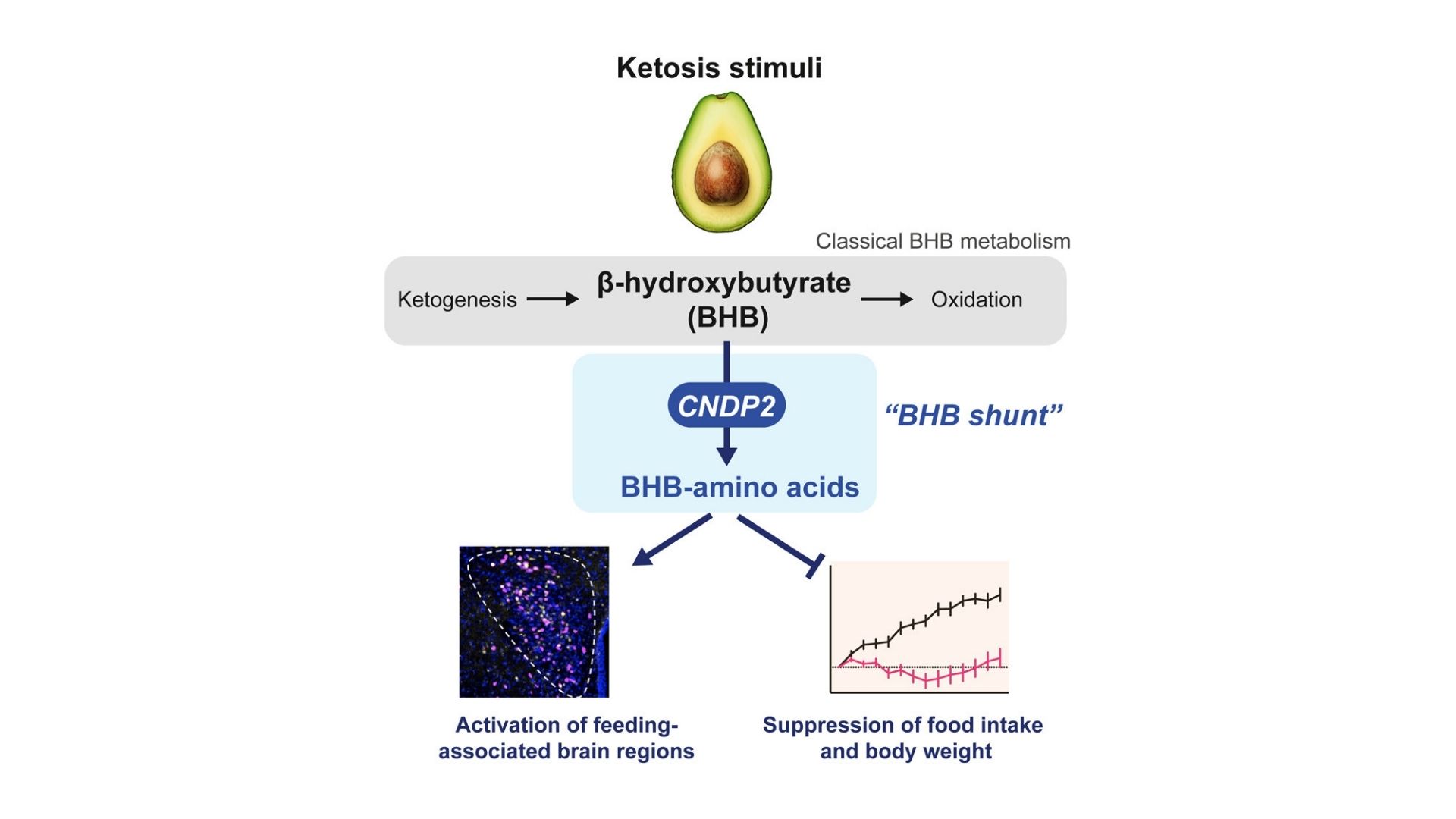
Obesity remains a significant global health concern, with researchers striving to uncover new ways to address its root causes and associated challenges. A significant discovery by a team of scientists led by Professor Yong Xu and Dr. Jonathan Long has identified a new biochemical process, a series of chemical reactions in the body that help maintain life, that could open the door to innovative anti-obesity treatments. This research, featured in the respected journal Cell, explores how β-hydroxybutyrate, a key compound produced during ketosis, a metabolic state where the body burns fat for energy instead of carbohydrates, interacts with amino acids, the building blocks of proteins essential for many body functions to create active molecules that help control energy balance.
Dr. Long from Stanford University explained, “Our study demonstrates that additional ways the body uses ketones contributes to energy balance through the generation of β-hydroxybutyrate-derived amino acid conjugates. These metabolites are not just energy intermediates, molecules that play a role in storing and transferring energy within cells but active regulators of physiological processes, the normal functions and activities of the body.” The researchers termed this metabolic pathway the “β-hydroxybutyrate shunt,” facilitated by the enzyme CNDP2, which enables the bonding of β-hydroxybutyrate with free amino acids.
The most abundant product of this pathway, a molecule called β-hydroxybutyryl-phenylalanine (BHB-Phe), showed remarkable effects in experimental models. In obese mice, administration of BHB-Phe reduced food intake and promoted weight loss without adverse side effects. These findings were further supported by studies showing that genetic deletion of CNDP2 in mice abolished the production of these biologically active molecules, leading to increased food consumption and weight gain when subjected to ketogenic conditions, states where the body relies on fat for fuel, often induced by low-carbohydrate diets.
Professor Xu from Baylor College of Medicine explained, “Beta-hydroxybutyryl-phenylalanine acts on key neural pathways, networks of neurons in the brain and nervous system that transmit signals in the hypothalamus and brainstem, regions critical for controlling hunger and appetite. This highlights the potential for developing treatments targeting these mechanisms to manage obesity.”
The team’s research also confirmed that this metabolic pathway is conserved in humans. By studying blood samples, they discovered similar β-hydroxybutyrate-amino acid compounds, which increased during ketosis triggered by fasting or consuming ketone-based supplements. This conservation underscores the relevance of the findings and their translational potential, the likelihood that scientific findings can be applied to practical treatments or solutions.
Summarizing the broader implications, the researchers emphasized that understanding this alternative metabolic pathway could revolutionize how we view energy-related molecules formed during fat metabolism, extending their significance beyond mere energy substrates to potent regulators of metabolic health. Future studies aim to explore the medical uses of β-hydroxybutyrate-derived metabolites in treating metabolic disorders, including obesity and diabetes.
As these findings continue to unfold, they offer promising avenues for tackling one of the most pervasive health challenges of our time.
About the researchers

Professor Yong Xu
Professor Yong Xu is a distinguished researcher specializing in molecular and cellular biology, with a particular focus on metabolic regulation and energy homeostasis. Based at Baylor College of Medicine, he has made significant contributions to understanding the neural mechanisms governing appetite, metabolism, and body weight. His work has advanced the development of novel strategies for treating obesity and metabolic disorders, earning him recognition as a leader in his field.

Dr. Jonathan Long
Dr. Jonathan Long, an esteemed scientist at Stanford University, is known for his innovative research in metabolic biology. His work explores how metabolites influence cellular processes and overall health. Dr. Long has pioneered studies on ketone body metabolism, unveiling mechanisms that connect biochemical pathways with metabolic health.… His research has practical implications for addressing obesity and related conditions. Together, Professor Xu and Dr. Long’s collaborative efforts have illuminated new pathways for combating metabolic diseases.
Journal reference
Moya-Garzon, M.D., Wang, M., Li, V.L., Xu, Y., Long, J.Z., et al. “A β-hydroxybutyrate shunt pathway generates anti-obesity ketone metabolites.” Cell, 2025. DOI: https://doi.org/10.1016/j.cell.2024.10.032