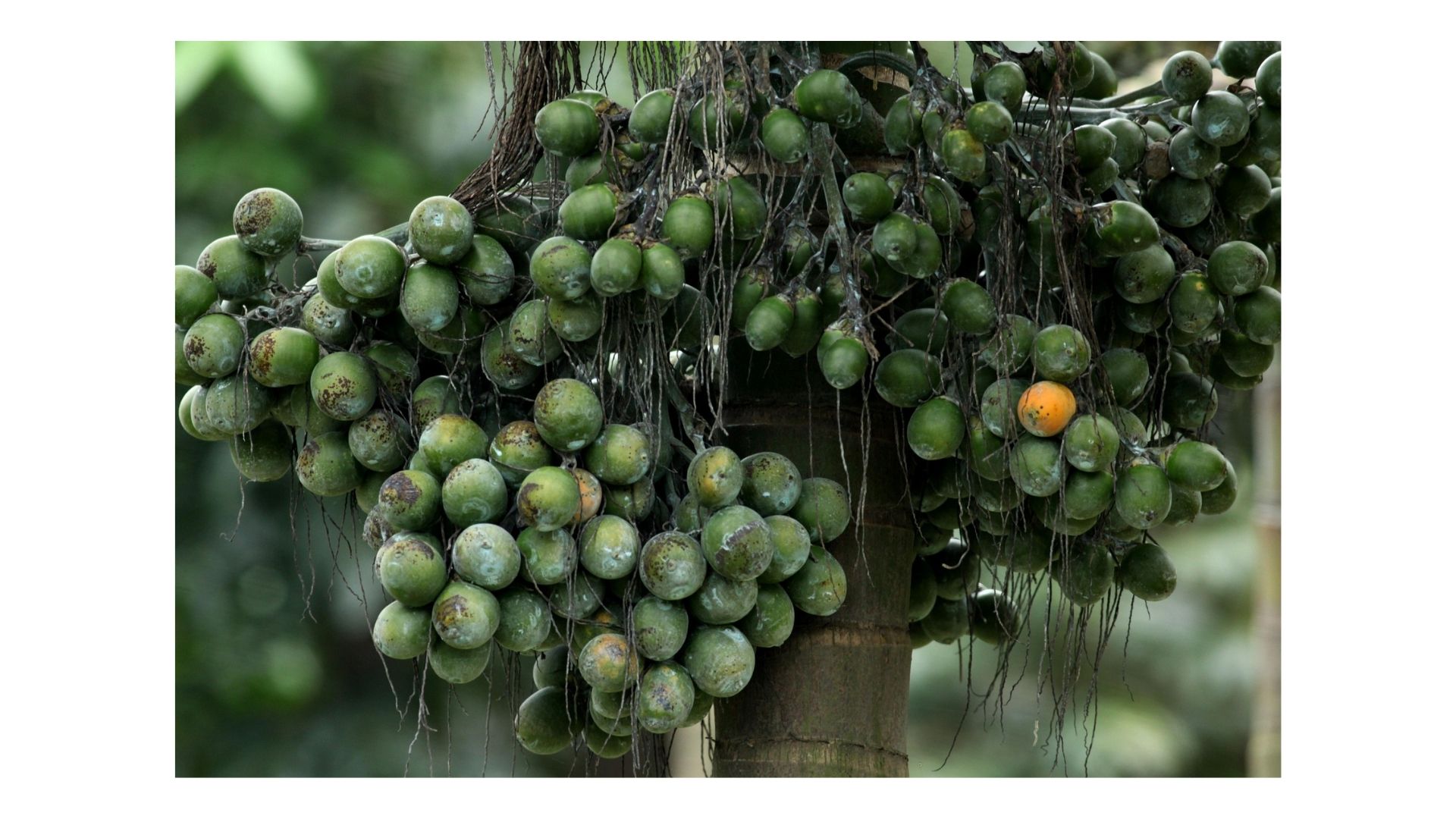
Popular tradition linked to shocking increase in cancer cases
Professor Ann-Joy Cheng's team analysed datasets to find microRNAs tied to areca nut-linked head and neck cancer, and lab tests showed one tumour-suppressing microRNA curbed cancer cell spread.


Areca nut chewing is a widespread cultural tradition, particularly in Southeast Asia. However, mounting scientific evidence links areca nut use to an increased risk of head and neck cancer. A research team led by Professor Ann-Joy Cheng at Chang Gung University in Taiwan has made significant progress in uncovering the molecular mechanisms behind this association. Their study, published in Cancers, identifies specific microRNAs that play a crucial role in areca nut-induced carcinogenesis.
MicroRNAs (miRNAs) are small, non-coding RNA molecules that regulate gene expression and influence cellular functions. Professor Cheng’s team investigated how areca nut exposure alters miRNA activity, leading to cancer development. By analyzing multiple datasets, they identified 39 oncogenic (cancer-promoting) miRNAs and 45 tumor-suppressing miRNAs significantly associated with areca nut-induced malignancies. “Our study provides a comprehensive analysis of how areca nut alters miRNA expression, disrupting key biological pathways that drive cancer progression,” said Dr. Huang, a co-author of the study.
Among the tumor-suppressing miRNAs, miR-499a-5p emerged as particularly critical. Laboratory experiments revealed that miR-499a-5p helps slow cancer cell migration, invasion, and resistance to chemotherapy—three hallmarks of aggressive cancer behavior. “miR-499a-5p plays a pivotal role in suppressing tumor progression caused by areca nut exposure,” explained Professor Cheng. “Its potential as a therapeutic target opens exciting avenues for future cancer treatment.”
The research findings suggest that miRNAs could serve as biomarkers for early detection of areca nut-related cancers. Identifying individuals at high risk through miRNA profiling could improve early diagnosis and prognosis, potentially enhancing patient outcomes. “Using miRNAs as diagnostic markers could enable early intervention, improving treatment strategies for individuals affected by areca nut-induced cancer,” Professor Cheng noted. Additionally, restoring tumor-suppressing miRNAs like miR-499a-5p could offer novel therapeutic approaches, potentially reversing some of the damage caused by areca nut exposure.
The impact of this research extends beyond diagnosis and treatment. Understanding how areca nut alters miRNA activity provides valuable insights for public health initiatives aimed at reducing cancer cases in regions where areca nut chewing is prevalent. Since areca nut consumption is deeply rooted in cultural traditions, raising awareness about its carcinogenic effects is critical. “Public health campaigns should incorporate molecular evidence, like our findings, to educate communities about the risks of areca nut chewing and encourage preventive measures,” Professor Cheng emphasized.
This study marks a significant advancement in understanding the molecular basis of areca nut-induced cancer. By shedding light on the miRNA networks involved, the research not only highlights potential diagnostic and therapeutic targets but also underscores the importance of preventive strategies. As Professor Cheng’s team continues to explore the implications of their findings, they hope their research will contribute to improved cancer detection, treatment, and public awareness, ultimately helping to combat the growing burden of head and neck cancer worldwide.
About the researcher

Dr. Ann-Joy Cheng
Dr. Ann-Joy Cheng is a professor in the Department of Biomedical Technology and Laboratory Science at Chang Gung University in Taiwan, where she specializes in the molecular pathology of cancer. She earned her Ph.D. from the University of Texas Health Science Center at Houston and the MD Anderson Cancer Center. Dr.… Cheng's research focuses on the molecular and cellular mechanisms of cancer, particularly head and neck cancer. Her work has made significant contributions to our understanding of carcinogenic pathways, therapeutic resistance, and the invasion and metastasis of cancer. She has authored over a hundred peer-reviewed articles and book chapters, furthering the knowledge of cancer biology and translational research. In addition to her research, Dr. Cheng is dedicated to mentoring graduate students and fostering interdisciplinary collaborations. She serves on the editorial board of BMC Cancer and is an active participant in international conferences. Driven by a passion for advancing scientific knowledge, Dr. Cheng is committed to bridging the gap between research and public understanding. She actively contributes to science communication and outreach initiatives, making complex scientific concepts more accessible to a broader audience.
Journal reference
Huang H.-H., Chang J.T., You G.-R., Fu Y.-F., Shen E.Y.-L., Huang Y.-F., Shen C.-R., Cheng A.-J. “MiRNA Profiling of Areca Nut-Induced Carcinogenesis in Head and Neck Cancer.” Cancers, 2024. DOI: https://doi.org/10.3390/cancers16213710