Eating This Rare Dish Could Boost Your Microbiome
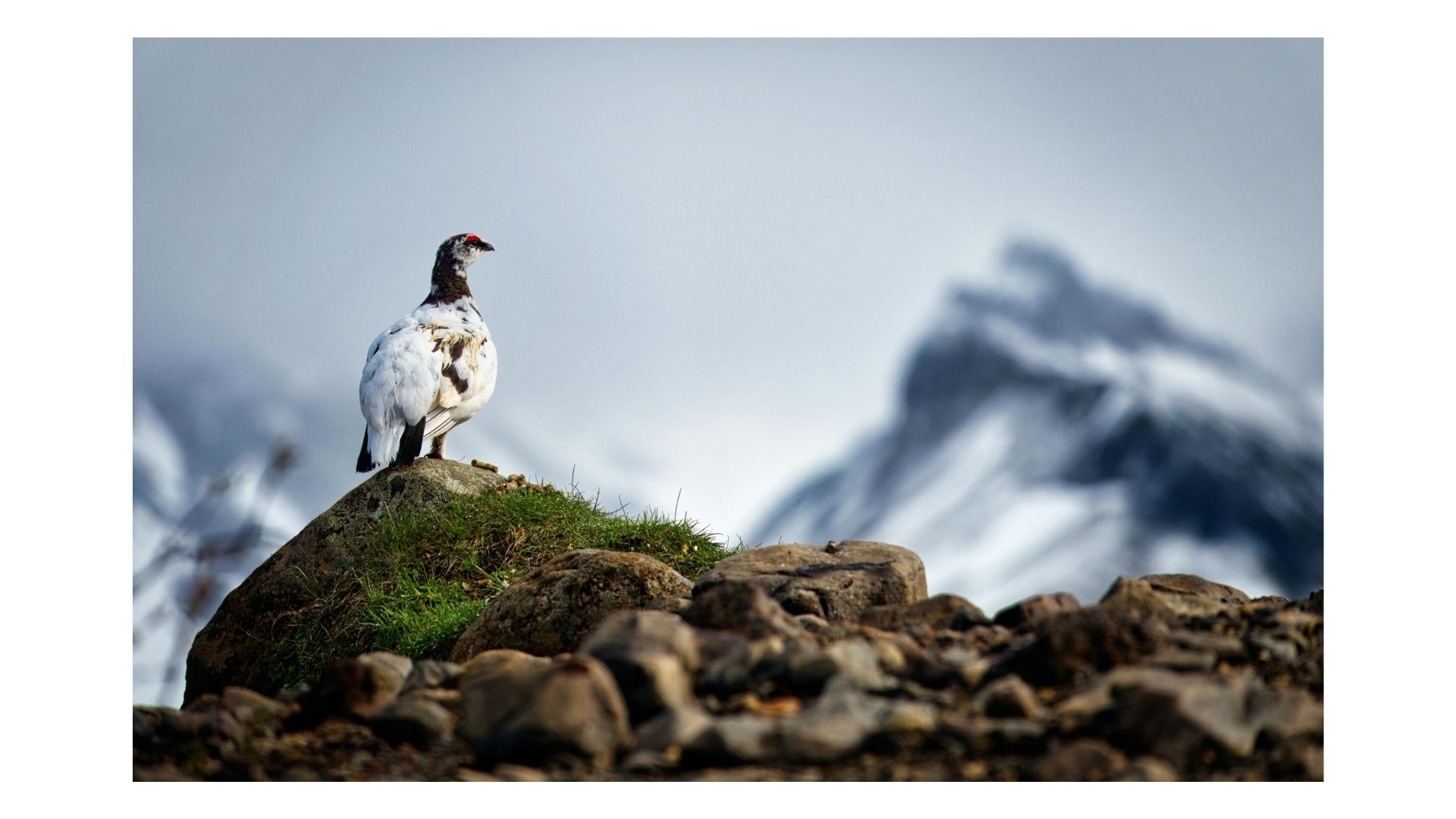
Mads Bjørnsen's team found that rock ptarmigan intestines, an Inuit delicacy, hold a rich microbial community that passes into garum sauce fermented with them.
Read the original paper
The culinary traditions of Indigenous Arctic communities have long embraced the practice of gastrophagy—the consumption of prey intestines and their contents—as an essential source of nutrition. Among Inuit of Greenland, the intestines of the rock ptarmigan are a valued delicacy. Researchers have now taken a closer look at the microbial community, which refers to the collection of microorganisms like bacteria and fungi living in a specific environment within the ptarmigan’s intestinal tract to reveal its potential implications for human gut diversity and the broader culinary world.
PhD Candidate Mads Bjørnsen from Ilisimatusarfik – the University of Greenland and University of Copenhagen, supervised by Inuk microbiologist Aviaja Lyberth Hauptmann, along with an international team of researchers from the University of Copenhagen, the Basque Culinary Center, and the TABA Project, has conducted a detailed study into the microbial composition of the Greenlandic rock ptarmigan. Their findings, published in the journal PLOS ONE, highlight the significant variety of bacteria found in the bird’s gastrointestinal system, and examine how these microbes influence the flavors and fermentation, a natural process in which microorganisms break down food substances to create new flavors and nutrients.
Bjørnsen’s study employed 16S rRNA sequencing, a genetic method used to identify bacteria by analyzing their ribosomal RNA. This allowed the researchers to characterize the microbial communities present in the ptarmigan’s crop, stomach and intestines, revealing a diverse and unique microbiome. This work revealed that the intestines harbor a unique and rich microbial community. Notably, the intestines contained a high abundance of bacteria commonly found in the digestive system, which is known to play a role in digestive health. Furthermore, the researchers used ptarmigan meat and ptarmigan intestines to make garum, a fermented sauce traditionally made from fish. The results showed that by using ptarmigan intestines in the garum, the intestinal bacteria become part of the garum fermentation process and add to the diversity of microorganisms in the fermented sauce. This shows that fermentation can serve as a way to preserve and transfer the diversity of food bacteria associated with the practice of eating animal intestines.
“Our findings reveal that garum made from ptarmigan intestines displayed distinct flavors and microbial composition similar to that found in the ptarmigan gut and intestines,” said Mads Bjørnsen. “This highlights the potential role of fermented products in mediating food microbial diversity associated with Indigenous food practices.”
The implications of this research extend beyond Inuit gastronomy. As modern diets shift toward industrialized food production, concerns have arisen about the loss of a variety of beneficial bacteria in the human gut. The study suggests that incorporating fermented foods, such as ptarmigan garum, into contemporary diets could be a way to restore some of this lost diversity. Additionally, it provides insights into how wild animals’ gut microbial community, consisting of diverse microorganisms that aid digestion and overall health, can contribute to human dietary microbiomes through food consumption.
In a broader context, the research underscores the importance of understanding microbial diversity in diverse food systems. The findings demonstrate how traditional culinary practices, such as the practice of eating animal intestines, can offer valuable contributions to both nutrition and gastronomy. By preserving these microbial communities through fermentation, a natural process in which microorganisms break down food substances to create new flavors and preserve the food, Indigenous knowledge can help shape innovative and health-conscious culinary trends worldwide.
Journal reference
Bjørnsen MB, Rodríguez Valerón N, Prado Vásquez D, Merino Velasco E, Hansen AJ, Hauptmann AL. “Microbiota in the ptarmigan intestine—An Inuit delicacy and its potential in popular cuisine.” PLOS ONE, 2024; 19(12): e0305317. DOI: https://doi.org/10.1371/journal.pone.0305317