Small Study Suggests Meditation May Ease Depression and Poor Sleep in Glaucoma
Dr. Monali Malvankar-Mehta's team found that adding Sahaj Samadhi Meditation to usual eye care eased depressive symptoms and improved sleep in a small feasibility study of people with glaucoma.
Read the original paper
Glaucoma is a leading cause of irreversible blindness. There are 80 million people worldwide living with glaucoma, and this number is expected to increase to over 111 million by 2040. Its toll is not limited to the eyes. People with glaucoma are more likely to experience depression, low mood, anxiety and disturbed sleep, and depressive symptoms tend to become more common as the disease grows more severe. Depression is especially worrying because it has been linked to patients not following their treatment, which in turn has been tied to more severe glaucoma. Gentle approaches that support mental wellbeing alongside standard eye care could therefore be valuable.
Dr. Monali Malvankar-Mehta, Hyunsoo Jang, Brian Yu and Dr. Cindy Hutnik from Western University tested whether a simple form of meditation could be added to routine glaucoma care, and whether it might ease depression, anxiety and sleep problems. The work is published in the peer-reviewed journal, JFO Open Ophthalmology.
The team focused on Sahaj Samadhi Meditation, a technique practised sitting quietly with the eyes closed, in which a specific sound, or mantra, draws attention inward and lets the mind settle into a restful but alert state. Because this was a feasibility study, designed to test whether a larger trial is practical and to get a first look at possible benefits, the researchers recruited a modest group of adults at an eye clinic in London, Ontario. Participants had mild to severe glaucoma or showed signs that put them at risk of the disease. With their own preferences taken into account, they were placed either in a group that continued their usual glaucoma treatment or in a group that received the same treatment plus meditation.
Those in the meditation group learned the technique from certified instructors over several consecutive days of group sessions, joined weekly follow-up sessions for about three months, and were asked to meditate at home twice a day. At the start and again nearly six months later, participants completed standard questionnaires on depression, anxiety, sleep, their ability to take part in home and social life, and how their eyesight affected daily living. The doctors caring for the patients and the statisticians who analysed the results did not know who was in which group.
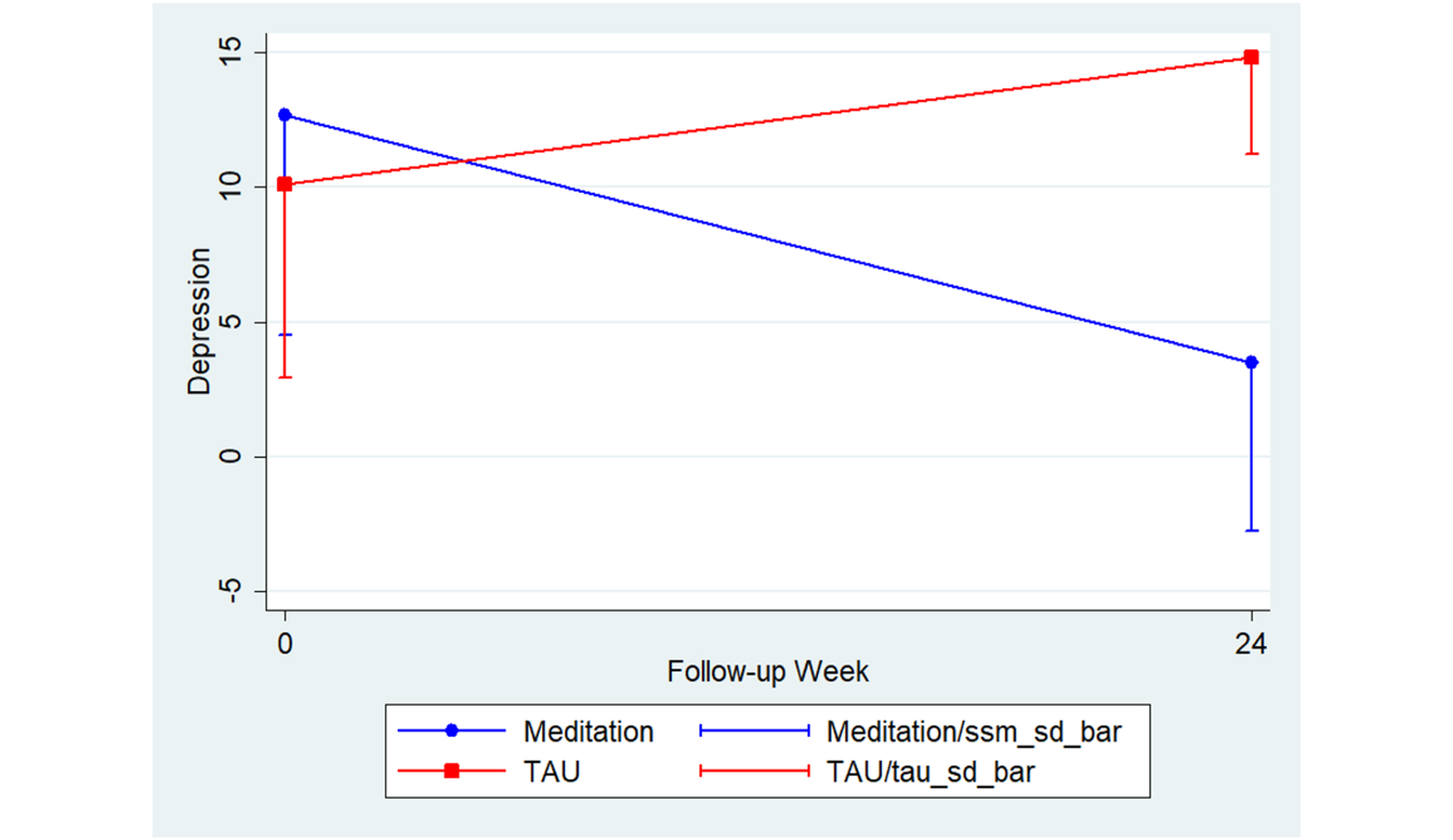
The results showed that depressive symptoms fell significantly in the meditation group compared with the usual care group. Sleep also improved. Meditators reported falling asleep more quickly and spending more of their time in bed actually asleep, and their overall sleep scores improved significantly compared with the usual care group, where the same measures worsened. Anxiety scores dropped among meditators and rose among the others, although this difference was not statistically significant. No harmful effects of the meditation were reported.
“Sahaj Samadhi Meditation may help reduce depressive symptoms and improve sleep quality in glaucoma patients,” explained Dr. Malvankar-Mehta. Scores for vision-related quality of life and for taking part in community life did not differ significantly between the groups. With so few participants, no firm conclusions can be drawn on these measures, and the study’s main aim was patients’ overall wellbeing rather than their vision, and meditation is not expected to alter vision itself. The meditation was offered as an addition to usual eye care, not as a replacement for it.
The study was small, lost many of its participants before the final questionnaires, followed patients for a limited time and relied on their own answers to questionnaires, so its results are early signals rather than firm proof. Even so, the significant changes in depression and sleep stand out, given how strongly glaucoma can affect mental health and rest. “Further studies with larger sample sizes and longer follow-up periods are needed to confirm these findings,” said Dr. Malvankar-Mehta. If larger trials confirm them, a simple meditation practice could become a helpful addition to the care of people living with glaucoma.
About the researcher
Journal reference
Malvankar-Mehta M.S., Jang H., Yu B., Hutnik C. Effects of Sahaj Samadhi Meditation on health-related quality of life of glaucoma patients: A feasibility study. JFO Open Ophthalmology. 2025; 10:100164. DOI: https://doi.org/10.1016/j.jfop.2025.100164