Deciphering the Genetic Code of a Tropical Disease Culprit in the Americas
Dr. Diana Chinchilla's team analysed Leptospira genomes and found that Leptospira santarosai, a cause of leptospirosis, occurs mainly in the Americas and splits into many location-linked genetic groups.

The world increasingly challenged by infectious diseases, leptospirosis remains a significant global health issue, affecting both humans and animals. This disease is caused by various strains of the Leptospira bacteria, with Leptospira santarosai emerging as a notable pathogen in the Americas. While Leptospira interrogans is often the focus of studies due to its prevalence, the genetic makeup and geographical spread of other species like L. santarosai have not been as thoroughly explored. This knowledge gap highlights the need to delve deeper into understanding these lesser-known but impactful pathogens.
A groundbreaking study led by Dr. Diana Chinchilla from the Costa Rican National Reference Center for Bacteriology at INCIENSA and Cecilia Nieves from Université du Québec along with her colleagues, casts new light on L. santarosai. Published in PLOS Neglected Tropical Diseases, their research offers key insights into the genetic diversity and distribution of this species.
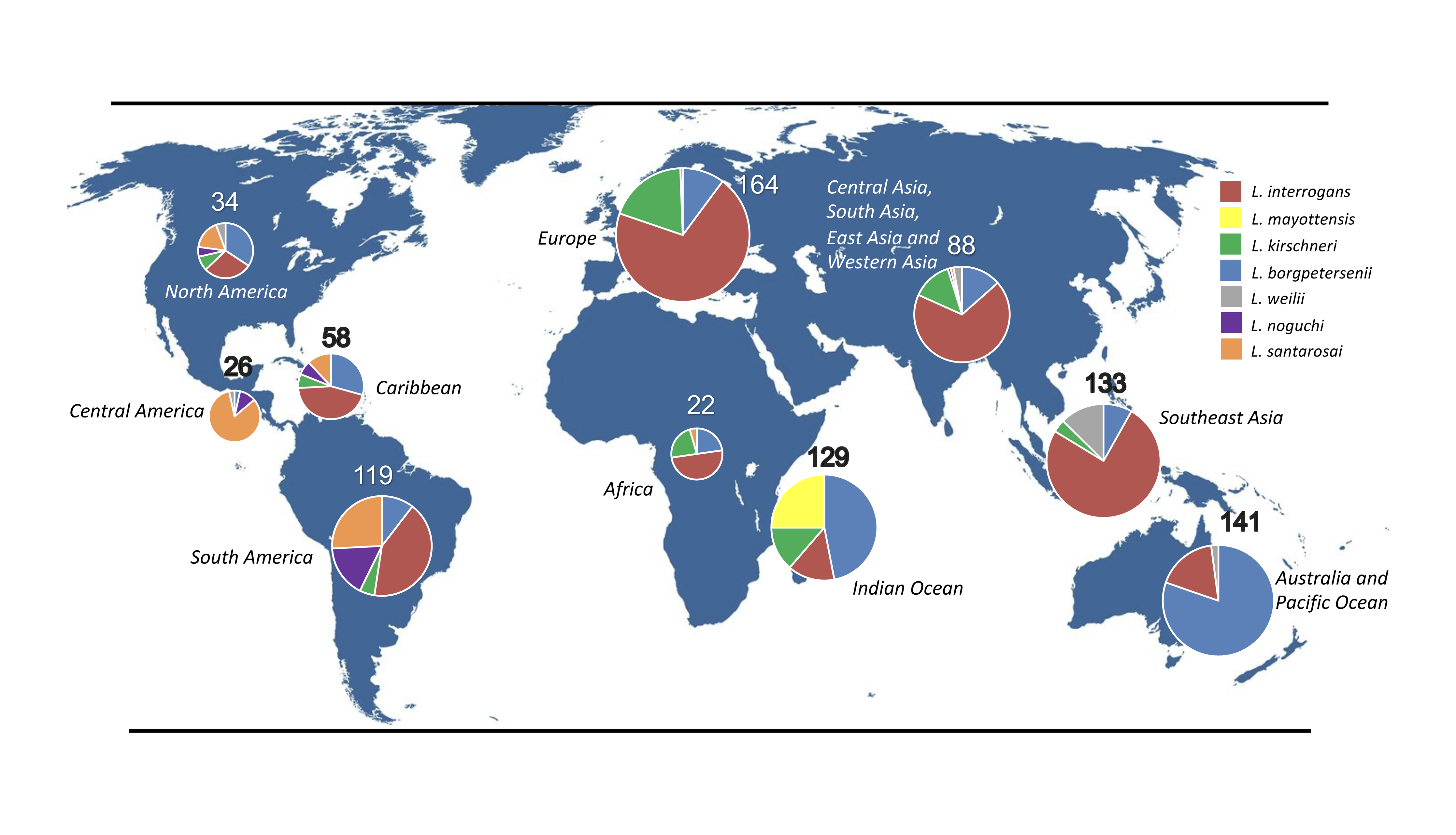
Analyzing a large number of genomes from different Leptospira species, the study discovered that L. santarosai predominantly exists in the Americas. The research team conducted an in-depth genetic diversity analysis, revealing various genetic groups within this species that vary by location. This diversity was further confirmed by identifying different strains within L. santarosai.
Diana Chinchilla explains, “In our detailed analysis of L. santarosai, we found the species to be divided into numerous genetic groups, showing a rich variety within the species.” This comment highlights the genetic complexity present in L. santarosai. Furthermore, she added, “This genetic diversity within L. santarosai underscores the importance of localized study and response strategies to effectively tackle leptospirosis.”
Additionally, the study found that L. santarosai has a wide range of genes, suggesting its ability to adapt to various environments and hosts. “L. santarosai has a diverse collection of genes, indicating its adaptability and potential to thrive in different conditions,” added Chinchilla, emphasizing the pathogen’s genetic versatility. “The adaptability of L. santarosai challenges us to constantly evolve our approaches in public health and veterinary medicine,” she stated, acknowledging the ongoing battle against this adaptable pathogen.
This research marks a significant step forward in understanding leptospirosis in the Americas. By revealing the genetic details of L. santarosai, it lays the groundwork for more effective disease control and prevention strategies, potentially reducing the disease’s impact. The study not only advances our scientific knowledge but also serves as a call to action for the public health community to develop targeted strategies based on these new insights.
In conclusion, this study provides critical insights into L. santarosai, a key player in leptospirosis in the Americas. Its findings are crucial for advancing our understanding of this disease and developing improved management and treatment approaches. The study highlights the need for continued research and innovation in tackling such complex bacterial diseases, reinforcing the importance of genetic studies in guiding public health initiatives.
Journal Reference:
Chinchilla, D., Nieves, C., Gutiérrez, R., Sordoillet, V., Veyrier, F.J., Picardeau, M. (2023). Decoding the Genetics of Leptospira santarosai, a Key Pathogen in the Americas. PLoS Negl Trop Dis 17(11): e0011733. DOI: https://doi.org/10.1371/journal.pntd.0011733.