The Future of Fighting Cancer Lies in Our Genes
Dr. Anthony Serritella's team found that variants in the immune gene FcγRIIIA may influence how patients with advanced gastroesophageal cancer respond to antibody drugs, with a trend towards longer survival.
Read the original paper
The battle against advanced gastroesophageal cancer, a disease with a notorious reputation for its aggressive nature and daunting survival rates, is on the verge of a transformative breakthrough. As the veil over cancer’s complexity is gradually lifted, revealing an intricate mosaic of genetic diversity, the drive towards more personalized and effective treatments intensifies. At the forefront of this pursuit is a pioneering exploration into the genetic intricacies that shape patient responses to monoclonal antibodies, a class of cancer-fighting drugs. This investigation into specific genetic markers, particularly within the FcγRIIIA gene, heralds a promising future where cancer treatment becomes as unique as the DNA of each patient. This is a future filled with renewed hope, charting a course towards a more targeted and nuanced approach to conquering gastroesophageal cancer, one genetic insight at a time.
Advanced gastroesophageal cancer presents a significant obstacle in the field of cancer care due to its aggressive nature and the challenges associated with improving patient survival rates. In an innovative study, Dr. Anthony Serritella and Dr. Nicholas Grewal from Northwestern University have taken significant strides toward customized cancer therapies. Their research, published in the prestigious journal of the European Society for Medical Oncology, carefully examines how genetic differences influence the success of specific immune-boosting drugs in treating this type of cancer.
At the heart of their study is the examination of how these immune-boosting drugs interact with the body’s natural killer cells through a process that helps these drugs target and eliminate cancer cells. A key focus is on variations in a specific gene on these cells. Dr. Serritella shares, “Patients with certain genetic variations showed better responses to these immune therapies.” This insight emphasizes the importance of using genetic information to improve treatment outcomes for patients facing this type of cancer.
The team’s approach to uncovering this genetic influence was thorough and detailed. They studied blood samples from patients participating in a clinical trial, as well as additional patients treated at their institution. By using a technique called PCR, they identified specific genetic variations that are linked to better responses to these immune therapies. Dr. Grewal comments, “Our findings highlight the value of using genetic information to tailor cancer treatment.”
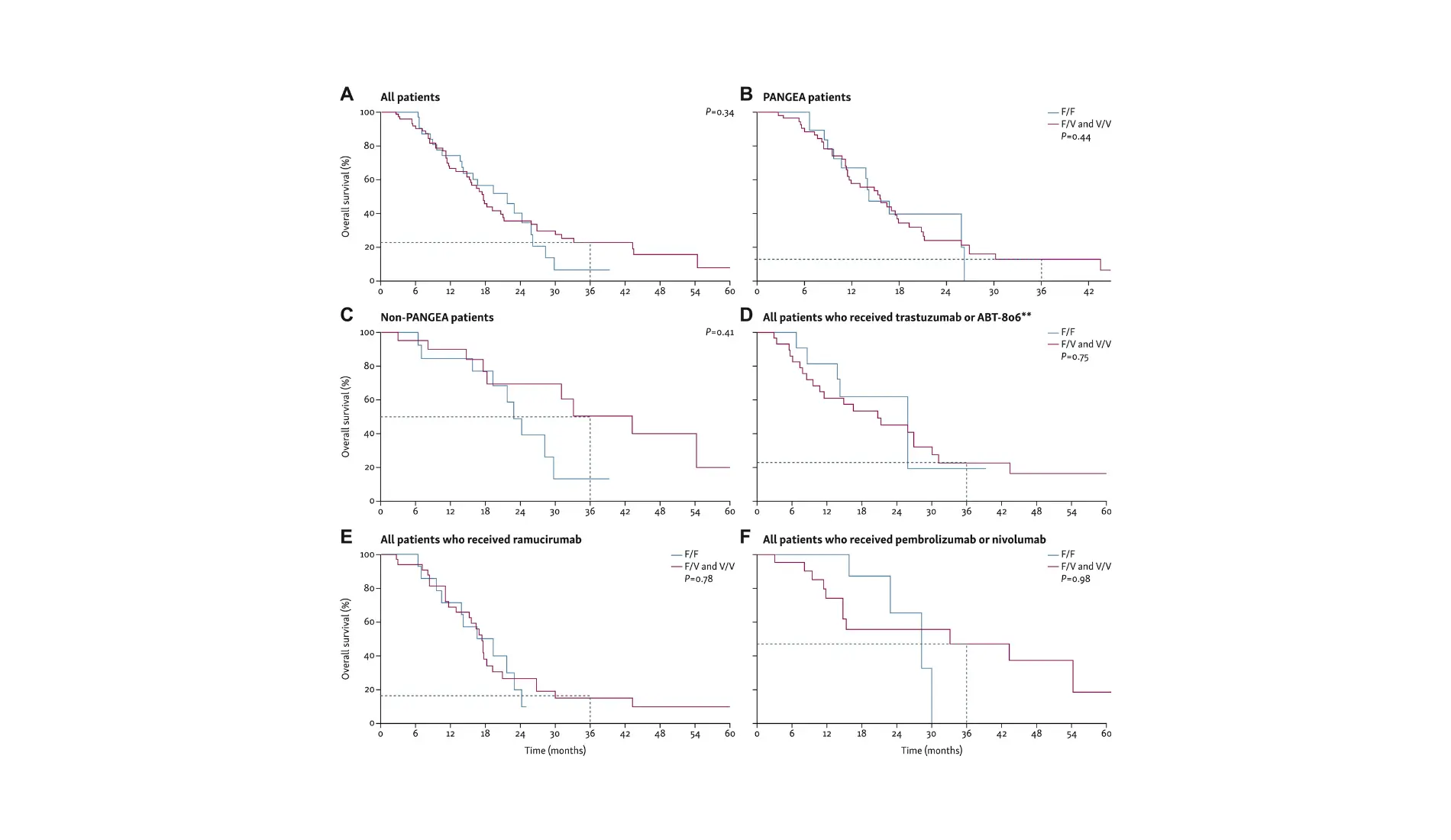
Further analysis compared survival rates over three years among patients with different genetic variations. This comparison showed a tendency for longer survival in patients with certain genetic traits. Dr. Serritella adds, “The essential role of this immune process in the effectiveness of these drugs suggests that boosting this response could be a way to improve outcomes for patients.”
This research not only offers new insights into the genetic factors that may determine the effectiveness of immune therapies in advanced gastroesophageal cancer but also paves the way for personalized medicine. Dr. Grewal concludes, “Identifying patients who are likely to respond well to these treatments based on their genetic profile allows doctors to customize therapies more effectively.” This marks a significant advancement toward improving survival rates and quality of life for patients battling this challenging disease. Ultimately, the efforts of Dr. Serritella, Dr. Grewal, and their team provide a beacon of hope for personalized cancer care. Their research clarifies the genetic factors that influence the success of immune therapy in advanced gastroesophageal cancer and opens new paths for developing more focused and effective treatment strategies.
Journal reference
Anthony V. Serritella, et al., “Assessment of the impact of FcγRIIIA single-nucleotide polymorphisms on the efficacy of IgG1 monoclonal antibodies in patients with advanced gastroesophageal adenocarcinoma”, European Society for Medical Oncology journal, 2023. DOI: https://doi.org/10.1016/j.esmogo.2023.08.011.