Hidden Viruses Could Be the Secret to Beating Superbugs
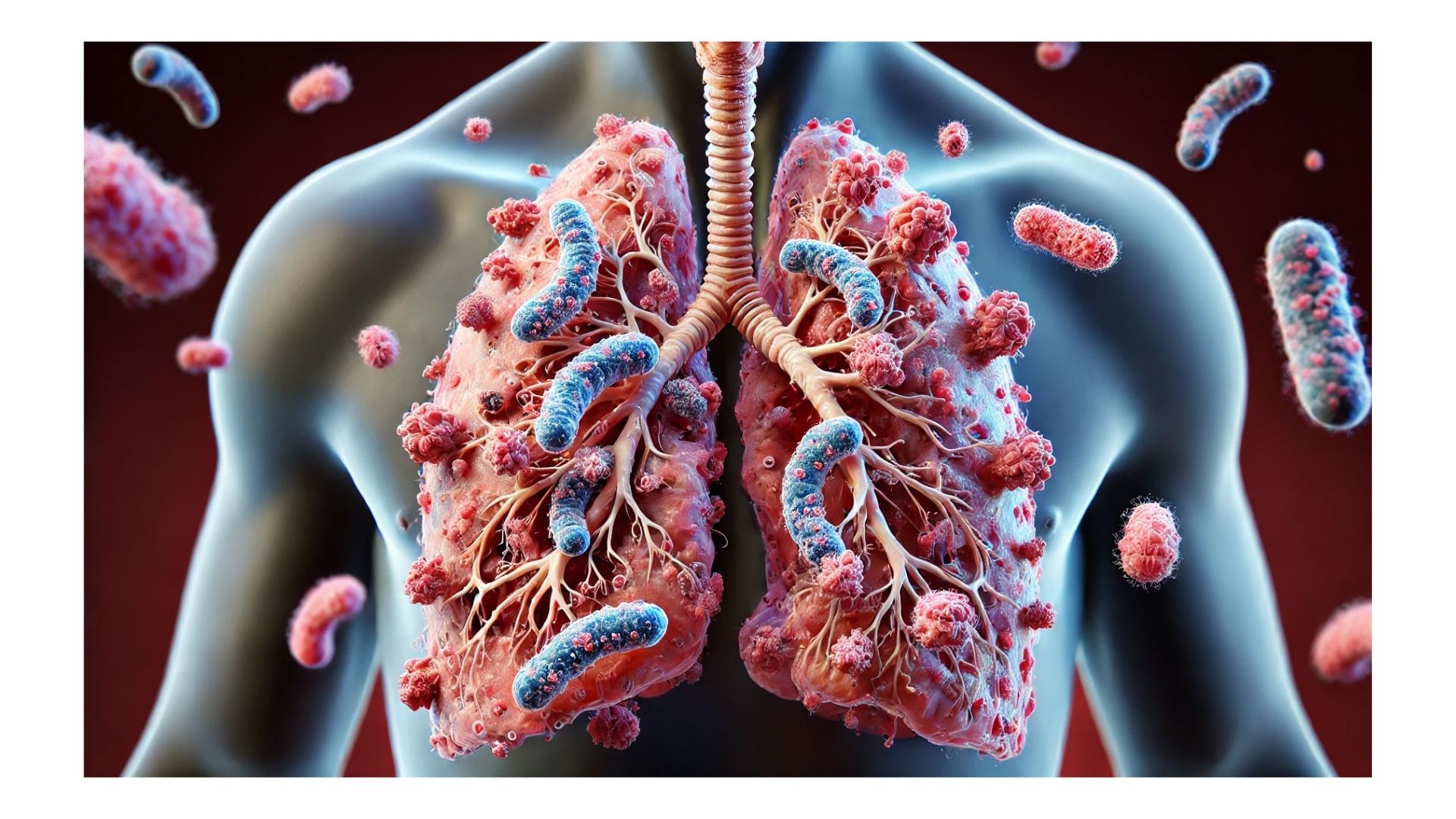
Dr. Ergun Akturk and Professor Tom Coenye found that giving bacteriophages before antibiotics cleared mixed Pseudomonas and Staphylococcus infections better in a lab-grown lung tissue model than other orders.


New research has shown the promising potential of using viruses that infect bacteria, known as bacteriophages, alongside antibiotics to fight stubborn lung infections. Led by Dr. Ergun Akturk and Professor Tom Coenye from the University of Minho and Ghent University, the study highlights an important step forward in treating bacterial infections that involve more than one species. The findings were published in the scientific journal Biofilm.
Chronic lung infections caused by bacteria like Pseudomonas aeruginosa and Staphylococcus aureus are particularly tough to treat because these bacteria form protective layers called biofilms, slimy layers that bacteria create to protect themselves from treatments, which shield them from antibiotics. In this study, scientists tested how well a combination of bacteriophages and antibiotics worked using a specialized 3D lung tissue model that closely resembles human lung cells. They discovered that treating infections with bacteriophages before giving antibiotics like gentamicin or ciprofloxacin, two commonly used antibiotics that kill bacteria by disrupting their essential functions, led to much better bacterial elimination compared to using both treatments at the same time or in reverse order.
Dr. Akturk and Professor Coenye’s team’s findings showed that when bacteriophages were applied first, followed by gentamicin, P. aeruginosa was completely wiped out, while ciprofloxacin also significantly reduced bacterial levels, though not as dramatically. Interestingly, this approach also lowered S. aureus numbers, but not as effectively as it did for P. aeruginosa. This research emphasizes that the order in which treatments are given plays a major role in how well they work, offering valuable insights for improving infection treatments.
“With this advanced lung model, we showed that using bacteriophages and antibiotics together is an effective way to target mixed bacterial infections, especially P. aeruginosa,” Dr. Akturk explained. “However, the sequence in which these treatments are applied makes a big difference in how well they eliminate bacteria.”
Dr. Akturk and Professor Coenye’s discoveries open doors to better treatment options for long-term lung infections, particularly in conditions like cystic fibrosis, a genetic disease that leads to thick mucus buildup in the lungs and makes infections harder to treat, in which multiple bacteria are often present. By following a step-by-step treatment method, doctors may improve infection control while also reducing the chances of bacteria becoming resistant to antibiotics. Future research will focus on turning these promising results into real-world medical treatments.
About the researchers

Dr. Ergun Akturk
Dr. Ergun Akturk is a dedicated microbiologist specializing in bacteriophage therapy and antibiotic resistance. He has conducted extensive research on bacterial infections, focusing on novel treatment approaches to combat persistent pathogens. His work at the University of Minho has contributed to understanding how bacteriophages can be used to enhance antibiotic effectiveness, particularly in treating lung infections. His research aims to develop safer and more efficient strategies to fight antibiotic-resistant bacteria.

Professor Tom Coenye
Professor Tom Coenye is a renowned expert in microbial biofilms and infectious diseases at Ghent University. With years of experience in pharmaceutical microbiology, he has led numerous studies on how bacteria form protective communities, making them resistant to conventional treatments. His work has played a crucial role in developing alternative therapies for chronic infections.… As a leader in biofilm research, Professor Coenye continues to explore innovative solutions for treating bacterial infections that evade traditional antibiotics.
Journal reference
Akturk E., Pinto G., Ostyn L., Crabbé A., Melo L.D.R., Azeredo J., Coenye T. “Combination of phages and antibiotics with enhanced killing efficacy against dual-species bacterial communities in a three-dimensional lung epithelial model.” Biofilm, 2025. DOI: https://doi.org/10.1016/j.bioflm.2024.100245