Daily Vitamin D Pills Did Not Prevent Fractures in Healthy Older Finns
Dr. Toni Rikkonen's study of a Finnish trial found that neither a lower nor a higher daily dose of vitamin D reduced fractures in older adults, most of whom already had enough vitamin D.
Read the original paper
Broken bones become more common with age and take a heavy toll. Fractures of the hip, upper arm, pelvis and spine often mean long recoveries, extended care and a higher risk of death, and as populations age, their burden on health services keeps growing. Vitamin D, which helps the body absorb calcium, is widely considered a support for preventing fractures, often alongside calcium. Yet whether vitamin D alone helps healthy older people avoid fractures is still debated.
Dr. Toni Rikkonen, Sari Hantunen, Tarja Nurmi, Dr. Ari Voutilainen, Tomi-Pekka Tuomainen and Dr. Jyrki Virtanen from the University of Eastern Finland, Marjo Tuppurainen from the University of Eastern Finland and Kuopio University Hospital, Professor Heikki Kröger from Kuopio University Hospital, Dr. Christel Lamberg-Allardt from the University of Helsinki and Professor JoAnn Manson from Harvard Medical School tested whether daily vitamin D pills prevent fractures in older Finns who were not at increased risk of breaking a bone. The work is published in the peer-reviewed journal, Bone.
Dr. Rikkonen’s study drew on the Finnish Vitamin D Trial, which enrolled older men and women from the general population with no history of cardiovascular disease or cancer. Each was assigned by chance to one of two high daily doses of vitamin D, a lower and a higher one, or to a placebo, a dummy pill, for five years, without knowing which. Fractures, an additional outcome alongside the trial’s main focus on cardiovascular disease and cancer, were traced through Finland’s national health records during supplementation and for several years afterwards.
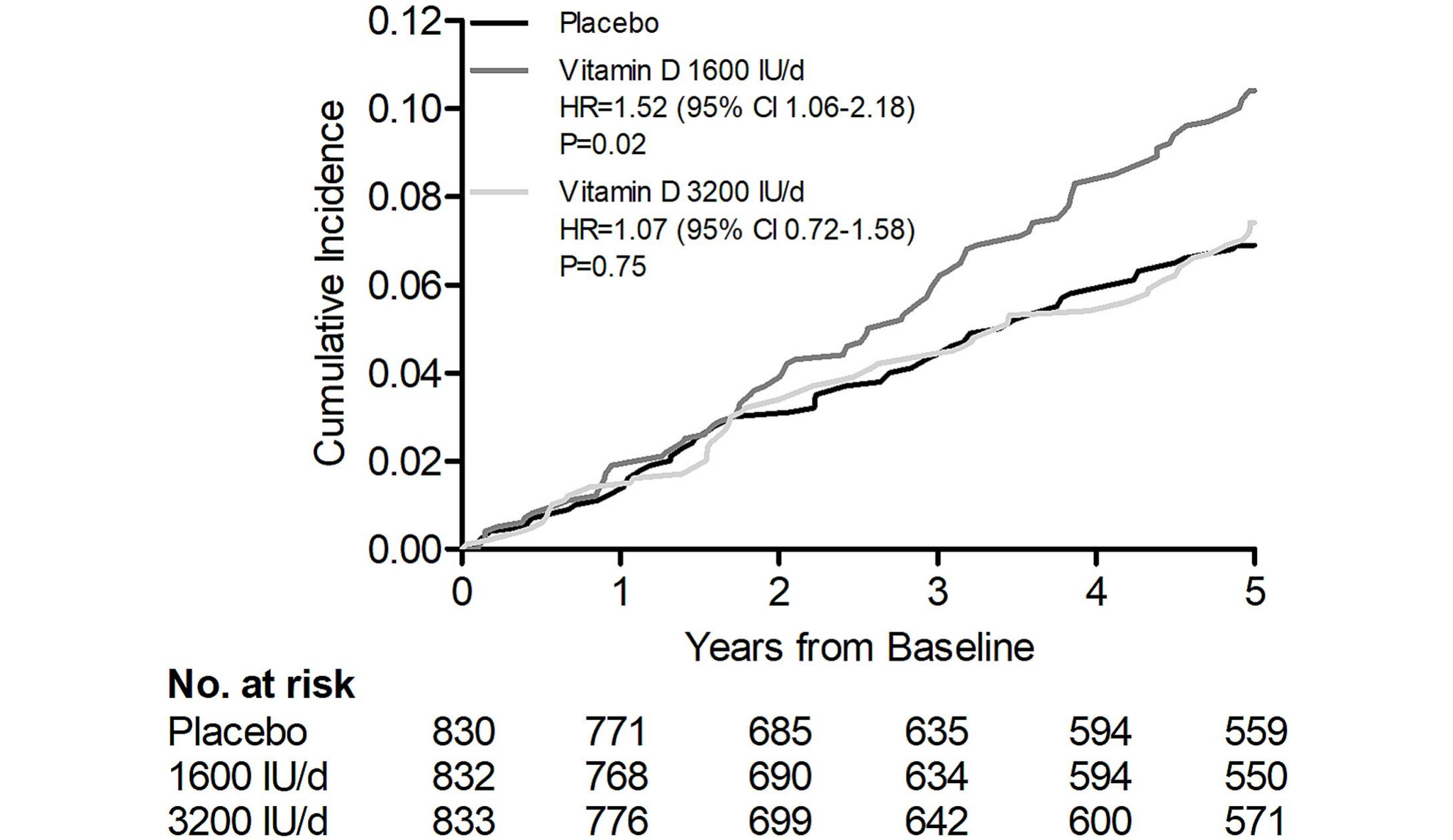
Blood tests in a subgroup showed that few participants were low in vitamin D at the start and that both doses raised levels clearly, the higher dose most. Neither dose reduced fractures. During supplementation, the lower-dose group had significantly more fractures of any kind than the placebo group, while the higher-dose group had about as many as the placebo group. Neither dose made a significant difference to any particular type of fracture. The lower-dose group’s higher risk persisted when follow-up was extended after the pills stopped, and age, sex, weight, osteoporosis and calcium supplements did not significantly change the results.
Dr. Rikkonen’s team considered whether this could mean that vitamin D does harm, and judged a causal effect unlikely. The higher dose raised blood vitamin D the most, yet that group fared no differently from the placebo group, suggesting that the extra breaks may not stem from high vitamin D levels themselves. Falls, a major cause of fractures, also did not differ between the groups, a separate analysis of the trial found.
“Our findings align with the current consensus that routine vitamin D testing and indiscriminate population-wide supplementation are not justified in generally healthy individuals,” explained Dr. Rikkonen. These results concern older adults who mostly had enough vitamin D already. They do not cover people who are clearly deficient, for whom, Dr. Rikkonen’s team notes, earlier evidence suggests vitamin D combined with calcium may help prevent fractures. “The main challenge lies in identifying individuals most likely to benefit from testing and targeted supplementation,” Dr. Rikkonen added.
Dr. Rikkonen’s study has limits. Because Finland adds vitamin D to everyday foods and many people take their own supplements, too few participants were deficient to be studied separately. All participants were white older Finns, so the results may not apply to other ethnic or age groups. One subgroup result, a higher risk with the higher dose among leaner participants over the extended follow-up, could be a chance finding given the many analyses run.
“These findings provide no evidence to support high-dose vitamin D supplementation for fracture prevention in the general aging population,” said Dr. Rikkonen. The findings suggest that extra daily vitamin D pills are unlikely to prevent broken bones in healthy older adults who already get enough vitamin D, and that the bigger task is finding the people most likely to benefit.
Journal reference
Rikkonen T., Hantunen S., Kröger H., Lamberg-Allardt C., Manson J.E., Nurmi T., Tuppurainen M., Voutilainen A., Tuomainen T.-P., Virtanen J.K. The effect of vitamin D3 supplementation on fracture incidence in an aging population: The Finnish vitamin D trial. Bone. 2026; 213:118081. DOI: https://doi.org/10.1016/j.bone.2026.118081
Funding: The study was supported by the Research Council of Finland, the University of Eastern Finland, the Juho Vainio Foundation, the Päivikki and Sakari Sohlberg Foundation, Medicinska Understödsföreningen Liv och Hälsa, the Finnish Foundation for Cardiovascular Research, the Finnish Diabetes Research Foundation and the Finnish Cultural Foundation. Trial registration: ClinicalTrials.gov NCT01463813.