Daily Full-Fat Dairy Left Body Fat and Cholesterol Unchanged in Canadian Trial
Professor Harvey Anderson's twelve-week trial found no measurable rise in body fat, blood sugar or cholesterol when adults with extra weight added full-fat milk, yogurt and cheese each day.
Read the original paper
Full-fat dairy foods have long had a poor reputation. Most nutrition advice steers people away from saturated fats and animal foods, and Canada’s Food Guide, revised to favour plant-based foods, recommends no set amount of dairy. Yet an expert panel has concluded there is little evidence to separate regular-fat from low-fat dairy in dietary advice, and full-fat dairy’s effects on healthy adults carrying extra weight have been little studied.
Professor Harvey Anderson, Corrina Chen Zhou, Shirley Vien, Marisa Soo, Shekoufeh Salamat, Larissa Chomka and Dr. Hrvoje Fabek from the University of Toronto, Dr. Bohdan Luhovyy, Dr. Priya Kathirvel and Maryam Akbarifakhrabadi from Mount Saint Vincent University, and Dr. Ferhan Siddiqi from Dalhousie University tested what happens when adults with overweight or obesity add three daily servings of full-fat dairy while learning to follow Canada’s Food Guide. The work is published in the peer-reviewed journal, The Journal of Nutrition.
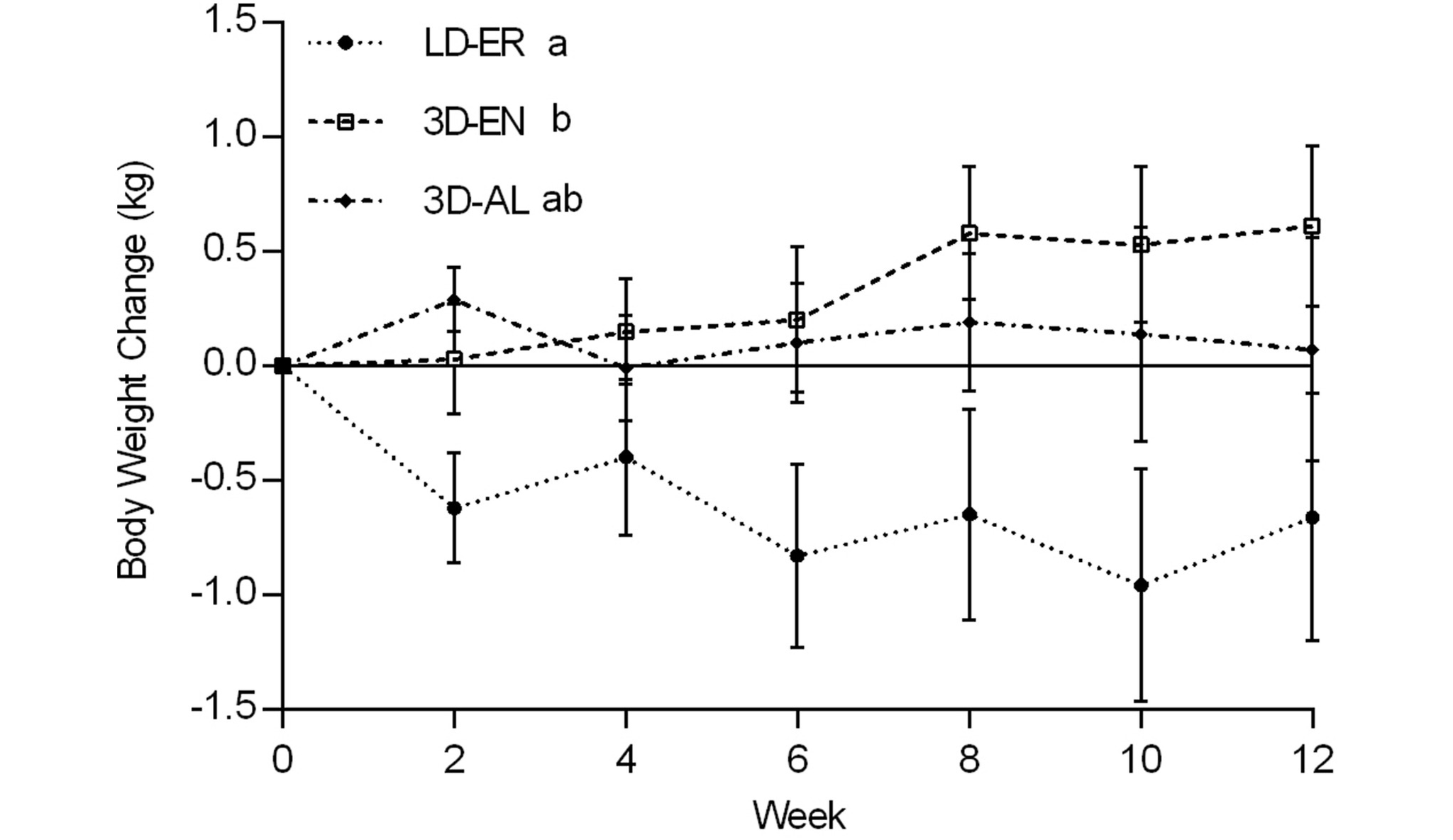
Professor Anderson’s randomised trial assigned healthy adults by chance to one of three diets for twelve weeks. One group cut calories and limited dairy to a single daily serving at most, choosing low-fat or plant-based options. A second group added whole milk, Greek yogurt and cheese sticks each day and was told to cut other foods to keep calories unchanged. A third group added the same dairy foods with no advice about calories. Everyone met a dietitian regularly for advice on following the food guide.
The low-dairy group became a little lighter than the group meant to swap calories for dairy, which ate more than planned, while the group eating dairy freely did not differ significantly from either. Body fat, lean tissue, waist size, the energy burned at rest, blood sugar and cholesterol showed no measurable change in any group. Triglycerides, a type of blood fat, rose briefly in all groups before returning to starting levels. The upper blood pressure reading fell in the group eating dairy freely, as it did in the low-dairy group.
The group adding dairy freely did not eat substantially more than the group that budgeted for it, suggesting appetite adjusted. Professor Anderson’s team points to how nutrients are bound together within dairy foods, and to the filling effect of fat and protein. “The functionality of the dairy matrix with complex binding of fat, protein, lactose, calcium, and other nutrients may explain why participants did not gain weight despite a marked increase in full-fat dairy consumption,” explained Professor Anderson.
Both dairy groups took in more protein and calcium, meeting the calcium target the low-dairy group missed. Across all groups, people ate more whole grains and less animal protein, processed food and sweets as counselling went on, and understanding of the food guide roughly doubled, though fruit and vegetable intake did not rise. “Three daily servings of full-fat dairy can be accommodated by Canada’s Food Guide and play a supportive role in meeting dietary recommendations and requirements,” said Professor Anderson.
Professor Anderson’s study has limits. The COVID-19 pandemic and the end of funding left the trial smaller and shorter than intended, and only healthy adults without chronic disease took part, excluding older adults and women after menopause. Finding no significant harm is not proof of equivalence: the trial was not designed to show it, and even modest weight differences could have gone undetected. “The short duration of the study may have masked longer-term changes in these measures and in body weight and body composition as well,” he noted. Funding came from the Dairy Research Cluster, backed by Dairy Farmers of Canada and Agriculture and Agri-Food Canada, and the Mitacs Accelerate program; the funding statement says these sources were not involved and placed no restrictions on publication.
Professor Anderson’s findings suggest that, for healthy adults with extra weight following national dietary advice, daily full-fat dairy can fit a healthy diet in the short term without measurable effects on body fat, blood sugar or cholesterol, while helping meet calcium needs.
Journal reference
Anderson G.H., Chen Zhou C.Z., Vien S., Soo M., Salamat S., Akbarifakhrabadi M., Chomka L., Kathirvel P., Siddiqi F., Fabek H., Luhovyy B. The Effect of Three Daily Servings of Full-Fat Dairy for 12 Weeks on Body Weight, Body Composition, Energy Metabolism, Blood Lipids, and Dietary Intake of Adults with Overweight and Obesity. The Journal of Nutrition. 2026; 156:101373. DOI: https://doi.org/10.1016/j.tjnut.2026.101373
Funding: This research was supported by Dairy Research Cluster 3 (Dairy Farmers of Canada and Agriculture and Agri-Food Canada) under the Canadian Agricultural Partnership AgriScience Program, and the Mitacs Accelerate program. The supporting sources were not involved and presented no restrictions in the publication of this research. The authors report no conflicts of interest. Trial registration: ClinicalTrials.gov NCT04399460.