This Simple Treatment Could Help Thousands Beat Hepatitis C infection
Dr. Brian Conway's team found that two common antiviral regimens cured hepatitis C equally well in people who use drugs, including those facing unstable housing and fentanyl use.


Recent findings have shed light on how well two commonly used treatments work for hepatitis C virus infection among individuals who use drugs, often by injection. The research compared the antiviral regimens sofosbuvir/velpatasvir, a combination therapy that targets the hepatitis C virus to stop it from replicating, and glecaprevir/pibrentasvir, another antiviral combination that also prevents the virus from multiplying in the body, in a population facing multiple health and social challenges, offering real-world data on their safety and efficacy.
Researchers led by Dr. Brian Conway from the Vancouver Infectious Diseases Centre, in partnership with Simon Fraser University, conducted the study, which was published in the Journal of Virus Eradication. Their research aimed to determine whether one treatment was superior to the other in achieving hepatitis C virus cure rates, as measured by the absence of detectable virus 12 or more weeks after the completion of therapy.
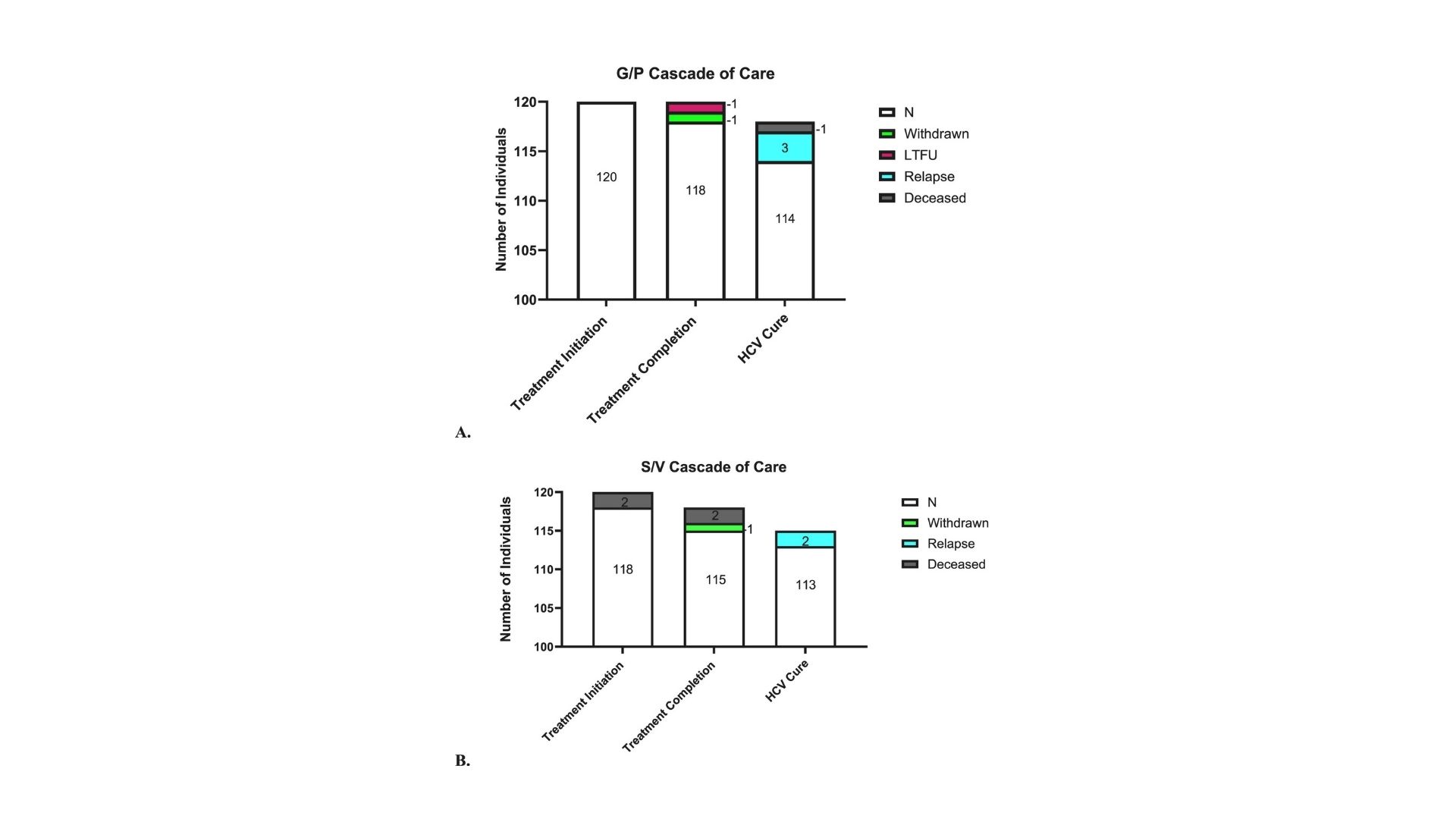
The study evaluated an equal number of individuals in both treatment groups, all of whom were actively using or injecting drugs. The results demonstrated that both regimens achieved exceptionally high cure rates, with nearly all participants completing treatment successfully. Notably, both regimens proved to be highly effective even among those with significant barriers to healthcare, such as unstable housing and simultaneous use of fentanyl, a strong opioid associated with significant drug overdose events as well as disengagement from care.
A key finding was that most participants completed their treatment, highlighting the importance of community-based healthcare support. “We found that engagement in a structured program significantly improved adherence and outcomes, reinforcing the need for accessible treatment strategies,” said Dr. Conway. Despite these interventions, a few overdose-related deaths still occurred among participants during the study period, emphasizing the ongoing challenges of addiction and the necessity for integrated support programs aimed at reducing these health risks. Participation in programs such as those implemented by Dr. Conway’s group led to an increased use of harm reduction interventions, such as needle exchanges and supervised drug use facilities, serving to minimize health risks for drug users.
It is important to note that participants using glecaprevir and pibrentasvir and sofosbuvir and velpatasvir exhibited comparable initial health and lifestyle factors used for comparison in research, including rates of Indigenous representation, housing instability, and fentanyl use. The findings suggest that both treatments can thus be confidently offered to the entire target population without concerns over significant differences in success rates or safety profiles.
With worldwide efforts to eliminate HCV infection as a public health concern by 2030, this study underscores the importance of easy-to-access treatment options and locally driven healthcare solutions. “Our data supports offering both treatment options in this vulnerable population, reassuring us that whatever option is selected (one pill a day for 12 weeks with sofosbuvir/velpatasvir or 3 pills a day for 8 weeks with glecaprevir/pibrentasvir), a highly effective therapeutic regimen will be provided,” Dr. Conway concluded.
About the researcher

Dr. Brian Conway
Dr. Brian Conway has dedicated his career to transforming healthcare for marginalized and vulnerable communities in British Columbia. His work has significantly improved care for Francophone populations and individuals affected by HIV and HCV. As the Medical Director of the Vancouver Infectious Diseases Centre (VIDC), Dr.… Conway has pioneered initiatives that bridge academic research and patient-focused care. Through partnerships with pharmaceutical companies and research institutions, VIDC has become a hub for innovative treatments and compassionate support for underserved populations. Dr. Conway’s work extends to Vancouver’s Downtown Eastside, where his weekly Community Pop-Up Clinics have tested thousands for HIV and HCV, identifying and engaging many into care through the EnTEnTE program (Engage, Test, Engage, Treat, Engage). These efforts showcase his commitment to accessible healthcare. Recognized widely for his contributions, Dr. Conway has received numerous honors, including the Queen Elizabeth II Diamond Jubilee Medal, the Hepatitis Elimination Champion Award, and the AccolAIDS award for science and research. Dr. Conway’s lifelong dedication to advancing healthcare has left an indelible mark on British Columbia, fostering a healthier and more inclusive community.
Journal reference
Yi S., Truong D., Conway B. “A comparison of sofosbuvir/velpatasvir and glecaprevir/pibrentasvir for the treatment of hepatitis C infection among people who inject drugs.” Journal of Virus Eradication, 2024. DOI: https://doi.org/10.1016/j.jve.2024.100388